Rushing to the Bathroom When You Get Home?
Understanding Key-in-Door Urgency
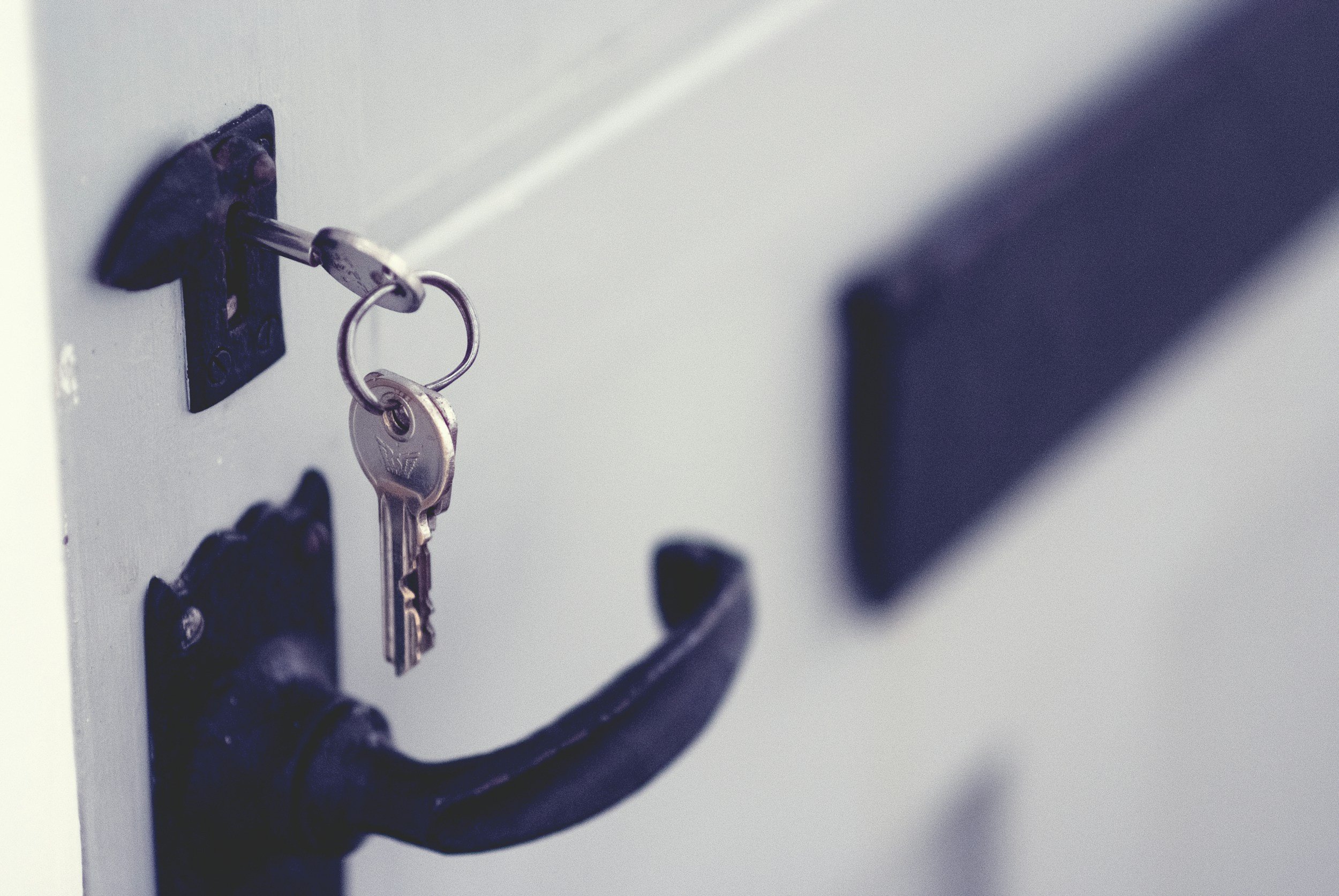
You’re coming home from dinner with friends or a long day at work, and everything is fine… until you get to the front door. Suddenly you HAVE to pee, even though you just used the bathroom before leaving. You’re trying to get your key in the door as fast as possible, throwing your things on the floor or entry table, and ignoring your kids or pets as you rush to the bathroom.
Sound familiar? Let’s go through some tips to help.
This is a common sign of urge incontinence or overactive bladder. While the first thought might be that our pelvic floor is weak or that we have a weak bladder, this is often a learned response caused by a miscommunication between the brain and the bladder.
The sight of the house or garage, pulling into the driveway, getting out of the car, or putting the key in the lock can act as a trigger to the brain that relief is coming. In response, the muscles of the bladder begin to contract, creating the sensation that we need to urinate. Sometimes these signals become overwhelming, leading to leakage or even an accident before we reach the toilet.
Our bladder is always slowly filling with urine, thanks to the kidneys, which continuously filter our blood and produce urine. As the bladder fills, it sends signals to the brain that pressure is increasing and that we will need to go to the bathroom soon.
Once these signals reach the brain, it decides whether we can wait or not. Most of the time, we can delay the urge if we’re in the middle of a meeting, nowhere near a bathroom, or trying to finish dinner. When we delay, the pelvic floor and urethral muscles contract to help prevent leaks.
When we’re finally in a safe place to use the bathroom, the brain signals the bladder to contract and the pelvic floor muscles to relax so the bladder can empty.
Sensations of urgency should be just that — a feeling, not necessarily a command.
So how can we help our bladder stop emptying before we get to the toilet, or at least help ourselves avoid running to the bathroom the moment we get home?
4 strategies to improve urge incontinence
Pause and breathe.
Instead of rushing inside, pause for a moment and take a few deep breaths. This can help your brain and bladder get back on the same page.Use quick pelvic floor squeezes.
Squeeze and relax your pelvic floor muscles 4–5 times in a row (imagine stopping the flow of urine). Wait for the urge to decrease, then calmly walk to the bathroom.Change your routine.
Instead of going straight to the front door, try walking to the mailbox first, entering through a different door, or briefly returning to your car before going inside. This helps the brain “unlearn” the trigger between arriving home and needing to go to the bathroom.Gradually increase your wait time.
Once you can enter the house without rushing, practice gradually increasing how long you wait before going to the bathroom. Try setting a timer for five minutes after arriving home. Distract yourself with a small task or chore to take your mind off the urge.
Overwhelming urgency or bladder leaks can also be a sign of pelvic floor dysfunction. If you find yourself constantly needing to know where the nearest bathroom is, feeling like you have very little time to get there, or experiencing leaks, it may be helpful to meet with a pelvic floor therapist for an assessment.